
Why You'll Love This Recipe
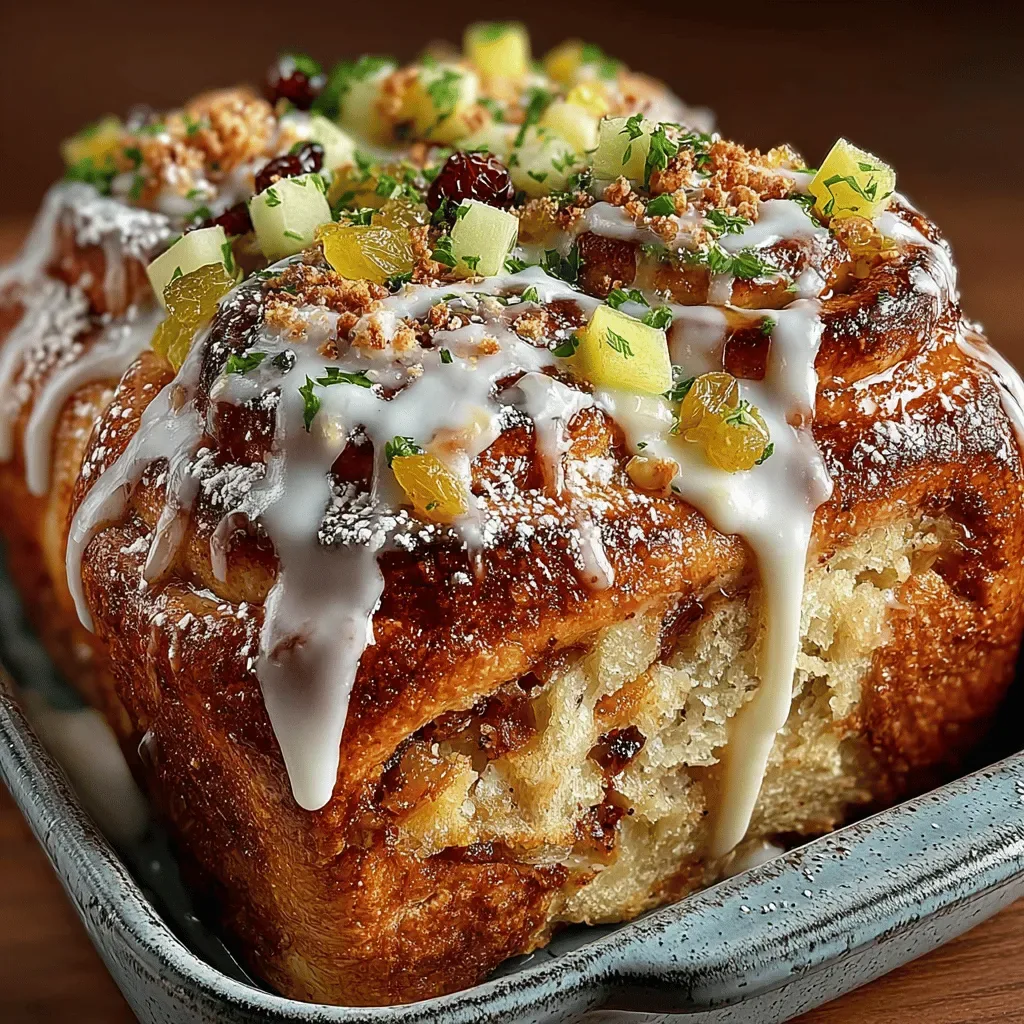
When I was a child, Sunday mornings meant the smell of something sweet drifting from my grandmother’s kitchen. She would rise before sunrise, whisking butter, sugar, and a handful of pecans into a bubbling cauldron that filled the whole house with a caramel‑kissed perfume. Those sticky buns were never just breakfast; they were a promise of love, a ritual that gathered our whole family around the table, laughing and sharing stories while the buns rose in the oven. I can still picture the golden‑brown tops glistening with caramel, the way the pecans cracked under my fork, and the soft, doughy interior that seemed to melt in my mouth. That memory has followed me through every kitchen I’ve worked in, and every time I recreate those buns, I feel that same warmth and connection.
As an adult, I’ve experimented with countless breakfast pastries, but the caramel pecan sticky bun remains unparalleled. Its allure lies in the perfect marriage of textures—crisp caramel crust, buttery crumb, and crunchy pecan nuggets—each bite delivering a symphony of flavors that echo the comfort of home while offering a sophisticated twist suitable for modern brunch tables. Over the years, I refined the original family recipe, tweaking the dough to be fluffier, the caramel to be richer, and the pecans to be toasted just enough to release their natural oils without turning bitter. The result is a versatile treat that can be served at a casual family breakfast or a polished weekend brunch.
What makes these sticky buns truly special is their ability to adapt. Want a vegan version? Swap butter for coconut oil and use plant‑based milk. Craving a hint of spice? Add a pinch of cinnamon or a dash of orange zest to the caramel. The base dough is forgiving enough to incorporate whole‑grain flours for added nutrition without compromising the tender crumb. This article will guide you through every nuance—from ingredient selection to mastering the caramel glaze—so you can confidently bake a batch that honors tradition while embracing your own culinary personality.
Ingredients

Choosing high‑quality ingredients is the cornerstone of any great pastry. For these sticky buns, the butter should be unsalted and at room temperature to incorporate smoothly into the dough, while the brown sugar provides depth and a slight molasses note that pure white sugar cannot achieve. Fresh yeast (or active dry yeast re‑hydrated) ensures a reliable rise, and the pecans must be raw and then toasted to unlock their natural oils. If you prefer a gluten‑free version, a blend of rice flour, tapioca starch, and xanthan gum works beautifully. The caramel glaze benefits from a pinch of sea salt to balance sweetness and a splash of vanilla extract for aromatic complexity.
Instructions

Prepare the Dough
In a large mixing bowl, combine the warm milk, ½ cup granulated sugar, and active dry yeast. Stir gently and let sit for 8‑10 minutes until the mixture becomes foamy, indicating the yeast is alive and active. Meanwhile, whisk together the flour, brown sugar, and kosher salt in a separate bowl. In a small saucepan, melt ⅓ cup butter over low heat, then let it cool slightly. Add the melted butter, eggs, and the yeast mixture to the dry ingredients. Using a stand mixer fitted with the dough hook, mix on low speed for 2 minutes, then increase to medium and knead for 6‑8 minutes, or until the dough is smooth, elastic, and pulls away from the sides of the bowl. The dough should be slightly tacky but not sticky; if it feels too wet, sprinkle in a tablespoon of flour at a time.
First Rise (Bulk Fermentation)
Transfer the dough to a lightly greased bowl, cover it tightly with plastic wrap or a damp kitchen towel, and place it in a warm, draft‑free area (ideally 75‑80°F/24‑27°C). Let the dough rise for 1‑1½ hours, or until it has doubled in size. During this time, the yeast ferments the sugars, producing carbon dioxide that creates air pockets, resulting in a light, airy crumb. If your kitchen is cooler, extend the rise by an additional 30 minutes; if it’s hotter, check after 45 minutes to avoid over‑proofing, which can cause the dough to collapse.
Prepare the Caramel Pecans
While the dough is rising, melt ½ cup butter in a medium saucepan over medium heat. Add 1 cup brown sugar and stir continuously until the mixture bubbles and the sugar dissolves, about 2‑3 minutes. Reduce heat to low, then add the pecan halves, stirring to coat them evenly. Sprinkle the sea salt over the mixture and continue to cook for another 2 minutes, allowing the nuts to toast lightly and the caramel to thicken. Remove from heat and set aside to cool slightly; the caramel will continue to harden as it cools, creating a sticky base for the buns.
Shape the Dough into a Rectangle
Once the dough has doubled, gently punch it down to release excess gas. Transfer it onto a lightly floured surface and roll it into a large rectangle, approximately 12 × 16 inches (30 × 40 cm). Aim for an even thickness of about ¼‑inch (0.6 cm). Use a rolling pin, turning the dough a quarter turn after each roll to maintain a uniform shape. This rectangle will serve as the canvas for the caramel pecan layer.
Spread Caramel Pecan Mixture
Evenly drizzle the slightly cooled caramel pecan mixture over the rolled‑out dough, using a spatula to spread it from edge to edge. The mixture should be thick enough to stay in place but fluid enough to seep into the dough as it bakes, creating pockets of caramel throughout. If the caramel begins to harden before you finish spreading, gently re‑warm it for 10 seconds in the microwave or over a low flame, stirring quickly to restore its pourable consistency.
Roll and Cut the Buns
Starting from the long edge, tightly roll the dough into a log, pinching the seam to seal. The roll should be firm but not overly compressed; you want each bun to have distinct layers. Using a sharp, lightly floured knife or dental floss, cut the log into 12 even pieces, each about 1‑inch (2.5 cm) thick. Place the cut buns seam‑side down into a greased 9 × 13‑inch (23 × 33 cm) baking dish, spacing them evenly so they have room to expand during the second rise.
Second Rise (Proof)
Cover the baking dish loosely with plastic wrap or a clean kitchen towel. Let the buns rise again in a warm spot for 30‑45 minutes, or until they have puffed up and nearly touch each other. This second proof allows the gluten to relax further and the yeast to create additional lift, resulting in a soft, airy interior. Keep an eye on the buns; over‑proofing can cause them to collapse during baking, while under‑proofing leads to dense, heavy buns.
Bake to Golden Perfection
Preheat your oven to 350°F (175°C). Once the buns have finished their second rise, place the baking dish in the center of the oven and bake for 25‑30 minutes, or until the tops are a deep caramel‑brown color and a toothpick inserted into the center of a bun comes out clean (a few crumbs are fine). Midway through baking, rotate the pan to ensure even browning. The caramel will bubble and become glossy, creating a shiny, sticky coating that seeps into the buns.
Cool Slightly & Serve
Remove the pan from the oven and let the buns sit for 5‑10 minutes. This brief resting period allows the caramel to set just enough to be sticky without dripping. Serve the buns warm, directly from the pan or transferred to a serving platter. They are at their best when the interior is still soft and the caramel glaze remains glossy. For a finishing touch, sprinkle a few extra toasted pecan halves and a light dusting of flaky sea salt on top.
Expert Tips
Tip #1: Use Cold Butter for the Dough
Cutting cold, cubed butter into the flour before adding liquids creates tiny pockets of butter that melt during baking, yielding a flakier crumb. This technique, borrowed from pastry making, adds a subtle layer of richness that elevates the sticky bun’s texture.
Tip #2: Toast Pecans Properly
Spread pecan halves on a baking sheet and toast at 350°F (175°C) for 8‑10 minutes, stirring once halfway. Watch closely—once they turn a light golden brown and emit a nutty aroma, they’re ready. Properly toasted nuts prevent bitterness and add a deep, buttery flavor that pairs perfectly with caramel.
Tip #3: Control Moisture in the Caramel
If the caramel is too runny, the buns can become soggy; if too thick, it won’t spread evenly. Aim for a consistency that coats the back of a spoon and flows slowly. Adjust by adding a tablespoon of heavy cream or a splash of water, stirring until the desired texture is achieved.
Tip #4: Use a Lightly Greased Pan
A thin coating of butter or non‑stick spray ensures the buns release easily after baking while also adding a subtle buttery flavor to the bottom. Avoid heavy greasing, which can cause the caramel to slide off the buns.
Tip #5: Let the Caramel Cool Slightly Before Spreading
If you spread the caramel while it’s scorching hot, it can melt the dough’s surface, resulting in a gummy texture. Allow the caramel to cool for 2‑3 minutes; it should be warm to the touch but not liquid, ensuring it adheres without soaking the dough.
Tip #6: Store in an Airtight Container
Once cooled, transfer the buns to a container with a tight seal. This prevents the caramel from drying out and keeps the interior soft. If you plan to keep them for more than two days, add a paper towel at the bottom to absorb excess moisture.
Tip #7: Add a Hint of Citrus
A teaspoon of freshly grated orange zest folded into the caramel adds brightness that cuts through the richness, creating a more complex flavor profile without overpowering the classic caramel‑pecan taste.
Tip #8: Freeze for Future Use
After cooling, wrap each bun individually in plastic wrap and place them in a freezer bag. They reheat beautifully in a 350°F oven for 10‑12 minutes, making them a convenient make‑ahead breakfast option.
Common Mistakes & How to Avoid Them
Leaving the dough to rise too long causes the gluten to over‑stretch, resulting in a collapsed bun that’s dense and gummy. To avoid this, set a timer and perform the fingertip test: the dough should spring back slowly after a gentle press.
Caramel can scorch quickly if the heat is too high or if it’s left unattended. Burnt caramel imparts a bitter flavor that overwhelms the sweet profile. Keep the heat medium‑low, stir constantly, and watch for a deep amber color before adding the pecans.
Adding extra flour to “fix” a sticky dough creates a dry, tough crumb. The dough should be slightly tacky; if it sticks to your hands, dust the surface lightly rather than adding more flour.
Raw pecans can taste bitter and lack the aromatic depth that toasting provides. Toast them before incorporating into the caramel to unlock their natural oils and achieve a richer flavor and crunch.
If you bake the buns immediately after shaping, they won’t have time to relax, leading to a tight crumb. Allow the shaped buns to rest for at least 30 minutes before the final bake to achieve a tender, fluffy interior.
Variations & Creative Twists
1. Chocolate‑Hazelnut Swirl: Replace the caramel with a mixture of melted dark chocolate, hazelnut spread, and a splash of heavy cream. Add toasted hazelnuts instead of pecans for a Nutella‑inspired version that’s perfect for chocolate lovers.
2. Apple‑Cinnamon Delight: Thinly slice a tart apple (such as Granny Smith) and toss with cinnamon, brown sugar, and a drizzle of maple syrup. Layer the apple mixture on the dough before rolling, and sprinkle additional cinnamon sugar on top before baking.
3. Maple‑Pecan with a Hint of Bourbon: Substitute half of the brown sugar in the caramel with pure maple syrup and add a tablespoon of bourbon. The bourbon adds depth without overwhelming the sweet maple flavor.
4. Vegan & Gluten‑Free Version: Use a blend of gluten‑free flour (rice flour, tapioca starch, potato starch) with 1 tsp xanthan gum. Replace butter with coconut oil and use a plant‑based milk. Ensure the caramel uses coconut cream instead of dairy butter.
5. Savory Breakfast Twist: Omit the caramel and instead spread a mixture of softened goat cheese, chopped rosemary, and a drizzle of honey. Top with toasted pecans and a sprinkle of flaky sea salt for a sweet‑savory balance ideal for brunch.
Storage & Reheating
Allow the sticky buns to cool completely before storing. Transfer them to an airtight container or a zip‑top bag, placing a sheet of parchment between layers to prevent sticking. They will stay fresh at room temperature for up to 2 days. For longer storage, refrigerate for up to 5 days; the caramel may thicken, but a brief microwave or oven reheating will restore its gloss.
To reheat, preheat your oven to 300°F (150°C), place the buns on a baking sheet, and cover loosely with foil. Warm for 8‑10 minutes, or until the interior is soft and the caramel is glossy again. For a quick microwave fix, heat a single bun on high for 20‑30 seconds, then finish under a broiler for 1 minute to regain a slight crust.
Serving Suggestions
Serve these caramel pecan sticky buns warm, straight from the oven, paired with a frothy cappuccino or a glass of chilled orange juice for a classic brunch. For a more indulgent spread, accompany them with a dollop of vanilla‑bean Greek yogurt or a scoop of cinnamon ice cream. They also pair beautifully with a fruit platter—think fresh berries, sliced kiwi, and citrus segments—that cuts through the richness. For a savory contrast, offer a side of crisp bacon or smoked salmon, letting guests build a sweet‑savory bite.
Frequently Asked Questions
Nutrition (Per Serving)
Values are approximate and may vary based on ingredient brands.